Track Athlete Makes News By Publishing His Salary

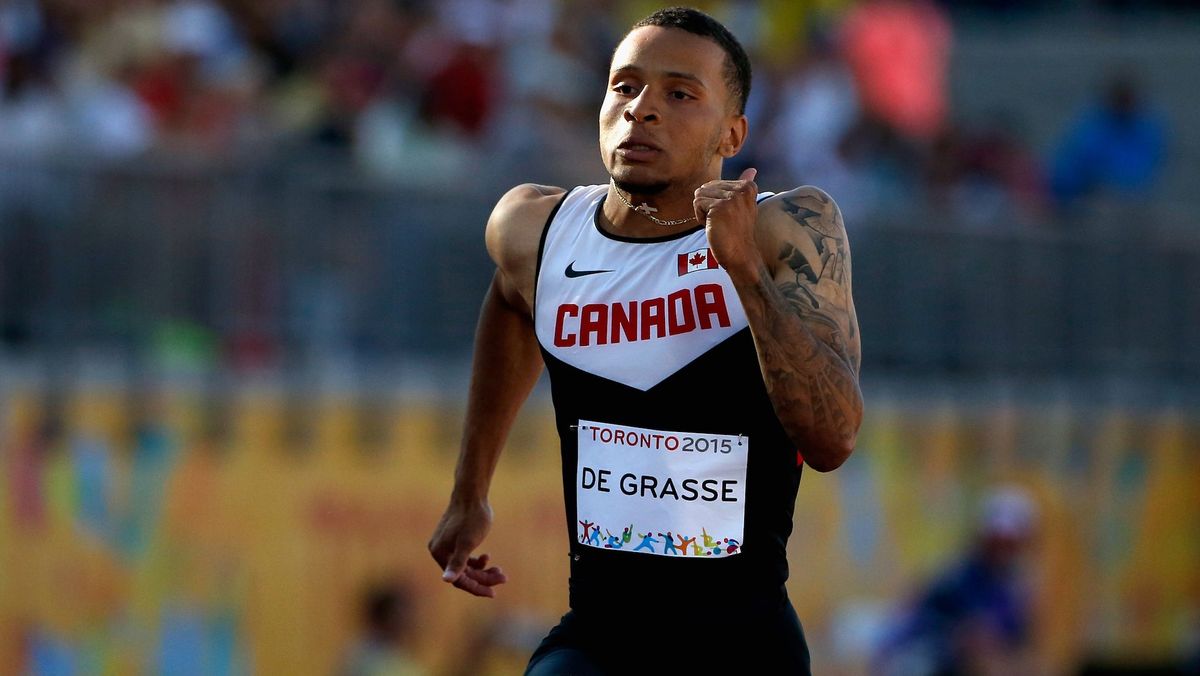
Canadian sprinter and USC student Andre De Grasse signed a pro contract with Puma recently. There are two reasons this is big screaming news in track and field: One is that the contract is for a stratospheric amount of money, compensation of the sort top NBA picks are accustomed to but track athletes imagine they’re reading wrong; and two is that we know what that amount is. It’s $11.25 million with up to $30 million in bonuses possible.
As Kevin Sully writes in Daily Relay, “This information shouldn’t be a huge deal. The athlete, sponsor and agent all have an interest in the public hearing about the size of deal. With track and field, it still feels like a Wikileaks disclosure, as if the information was somehow discovered through backchannels and not freely offered to a journalist.”
Reluctance to talk about salaries, bonuses, and appearance money is just one aspect of the bizarrely hush-hush, rumor-rich, paranoid track world, as modeled by the sport’s governing organizations. The amount, length and details of any baseball or football player’s contract is easily learned; not so in track. One can find that mid-distance star Jenny Simpson earned $5,000 for winning the Fifth Avenue Mile, but even other athletes in the field didn’t know how much Simpson was paid to show up, nor the details of her contract with New Balance.
In track, it’s rude to talk about money, like asking someone’s salary at a dinner party. Track prides itself on nice manners. Or maybe pretending that track and field is more sophisticated and genteel than those crass, thick-necked team sports masks some inconvenient truths about why compensation in the sport is so low, where that money came from, and where the rest of it went.
Sully speculated, “Track, and other Olympic sports as well, seem set on keeping most financial information in the dark even if the numbers project a positive image. One theory I’ve heard is competing sponsors don’t want the financial information out because it allows them to keep contracts low.”
Puma’s splashing the cash and announcing it is certainly a strategic move, as we enter the Olympic year, and one that will be replicated by other sponsors. ‘Tis the season for loudly trumpeted pre-Olympic generosity, which jaded track fans know is followed by quiet post-Olympic cuts, but even so, De Grasse’s story is a step in the right direction. To talk openly about base salaries (just to have this discussion without whispering is huge progress), and to know for certain that at least someone in track and field is making crazy-talk eight-figure potatoes will give youngsters in the sport some traction. It’s a good start.
photo credit: Getty
Rays vs. Guardians Game 5 Predictions: Best Bets for ALCS

Luka Doncic Has a New Lakers Team, Now Comes the Hard Part
UFC Edmonton Best Bets, Predictions and Fight Picks
Rays vs. Guardians Game 4 Best Player Props Betting Picks
- Rays vs. Guardians Game 4 Best Player Props Betting Picks
- College Football Week 8 Best Bets: Ohio State, Alabama and More
- Joaquin Buckley Plummets From -300 Favorite to Underdog at UFC Edmonton
- WNBA Finals Picks: Dream, Valkyries and Gabby Williams Best Bets
- UFC Vegas 122: 5 Underdogs Drawing Sharp Money This Weekend
- Seattle Seahawks vs. Denver Broncos TNF Betting Pick
- Brewers vs. Dodgers Game 3 Predictions, Picks and Odds