We're One Step Closer To A Concussion Brain Damage Blood Test

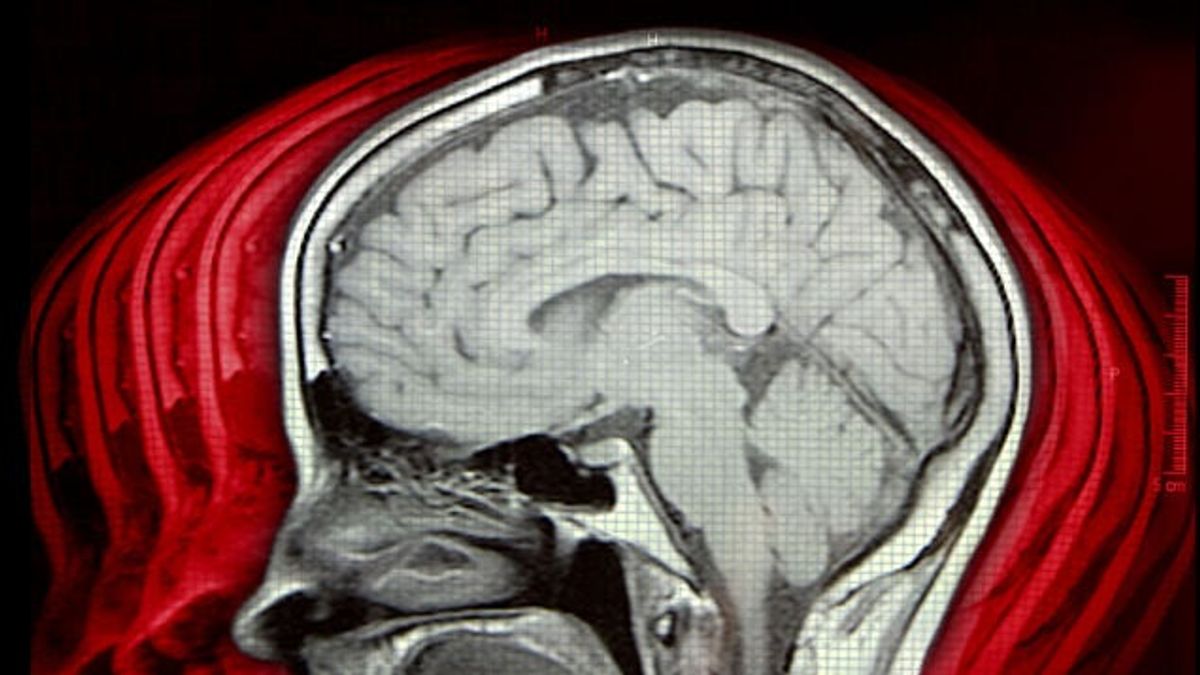
A group of researchers at Penn has evidence that a protein found in the blood, calpain-cleaved αII-spectrin N-terminal fragment (SNTF), can predict if a person who's suffered a potential traumatic brain injury will suffer concussion symptoms. Which is to say, this could be useful for athletes who would like to know if they've suffered serious brain damage.
To start, SNTF is a protein that's present in all human brains, and maintains a stable level in healthy brains. Its levels raise when nerve cells are damaged and begin to die. In injuries that produce permanent damage with lasting effects, this often occurs along the white matter axon tracts—these convey messages from different portions of gray matter—and the elevated levels in the blood is a secondary but apparently useful effect.
The study included 288 players in Sweden's top pro ice hockey league, of which 28 suffered a concussion during the observation period. Eight were clear of symptoms in a few days, and 20 were held out of play for six or more days. The concussed players had their blood drawn repeatedly, and underwent daily evaluation of their symptoms. The players with lasting symptoms had elevated levels of SNTF for 1 to 144 hours after their concussion compared to un-concussed players, as well as players whose symptoms cleared up quickly.
There are other blood-based biomarkers that have been associated with mild traumatic brain injury, but as the research group explained in a previous paper, those either don't demonstrate a relationship that would allow medical personnel to predict a brain injury based on the biomarker, or their studies are centered on injuries that show up on CT scans, which is uncommon and generally means the injury is more severe. This is the usefulness of something like what SNTF appears to be, or other potential metrics like the UCLA project led by Gary Small that's attempting to image the mutated tau protein. If further research bears out the relationship, it could be used as a rapid response to not only tell players and staff that the player will suffer symptoms, but that serious consideration should be given to what happens next.
[ Penn]
Image by Jim Cooke







Brian Flores Is Making Life Miserable for Vikings Opponents
Guardians vs. White Sox Game 4 Bet Picks, Prop Bets
- Friday College Football Best Bets: Iowa-Washington and BYU-Iowa State
- UFC Vegas 122 Betting Splits: Where the Sharp Money Is Landing This Weekend
- Guardians vs. White Sox Game 4 Bet Picks, Prop Bets
- Buccaneers vs. Cowboys Odds, Prediction and Best Bet for TNF
- Milwaukee Brewers vs. San Diego Padres Game 4 Betting Picks
- WNBA Playoff Bet Picks: Aces, Valkyries, Liberty and Dream Predictions
- MLB Playoff Picks for Wednesday: HR Props, ML Picks and More