How The Blockbuster Model Explains ESPN

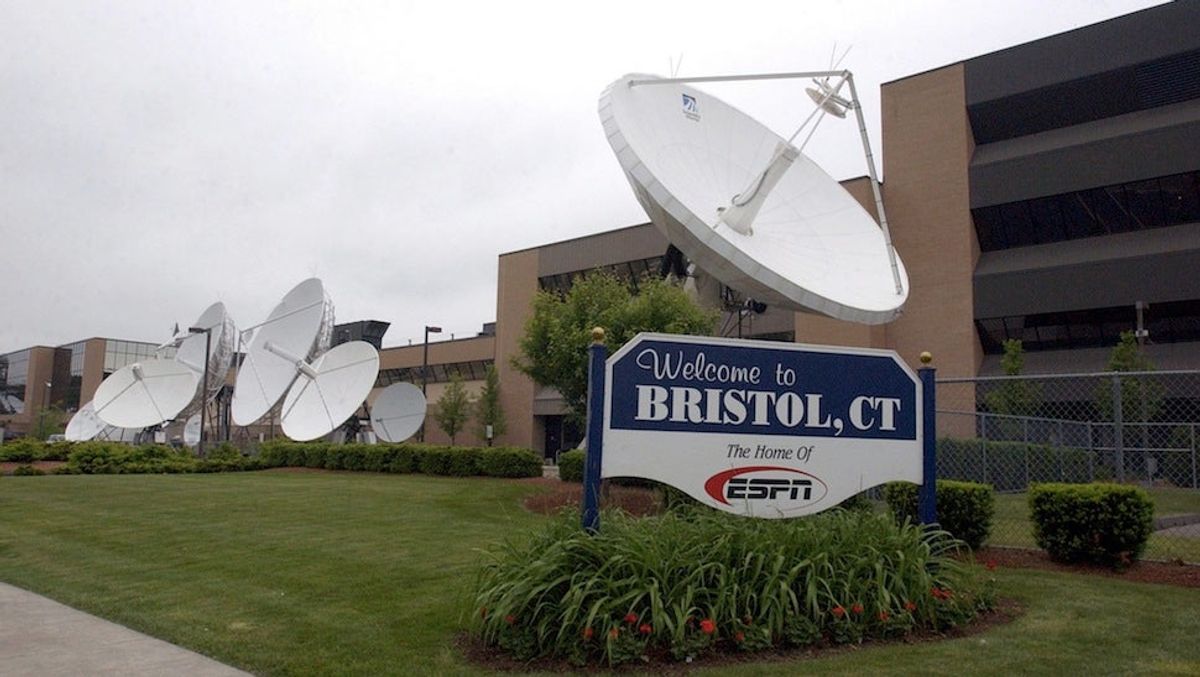
The Atlantic has a really good piece today that explores how ESPN became the most "valuable media property in the United States." Two things, really: 1.) John Skipper, ESPN's president, started gobbling up live rights for traditional sports back in 2005, moving against the tide of airport-bookstore business wisdom. 2.) The blockbuster model.
The Atlantic's Derek Thompson explains:
One of the loudest criticisms of ESPN is that its aggressively mainstream approach creates a sycophantic celebrity culture built around the biggest stars and juiciest plots, from the agonies of the L.A. Lakers, to the scandals of Tiger Woods, to the postmodern dramedy of Tim Tebow.
[...]
“It’s not different from People realizing that there are only five celebrities who really sell [magazines], so why put anyone else on the cover?” she said. “It’s Hollywood making more movies with Marvel characters. It reduced the risk, and it works.” The company’s core strengths stem from a superstar-first approach to sports news. Essentially, ESPN is in the business of building athletes into superheroes, because, like Walt Disney Pictures, it is in the business of building blockbusters.
If this sounds flimsy, read the piece. It's nicely laid out. And that's it: LeBron is Spider-Man. That's the business.
[ The Atlantic]



Britney’s HCL Saga Shows How Murky High Stakes Poker Is

5 Fights the UFC Should Make After Rosas Jr. vs. Barcelos




WWE Money in the Bank Cash-Ins: The Best and Worst Moments
- Eagles vs. Bears MNF Week 3 Betting Total Picks and Predictions
- Rams vs. Broncos Sunday Night Football Best Betting Pick
- MLB Best Bets: Three Picks for the Final Day of the Regular Season
- UFC Vegas 121 Underdogs: Why Alatengheili Is Worth a Look at +300
- UFC Vegas 121 Predictions: Best Bets for Saturday’s Fight Card
- UFC Vegas 121 Line Movement: Two Betting Favorites Have Completely Flipped
- Indiana vs. Northwestern Prediction: Best Bets To Start Week 4