OTL Report: How College Athletes Avoid Criminal Charges

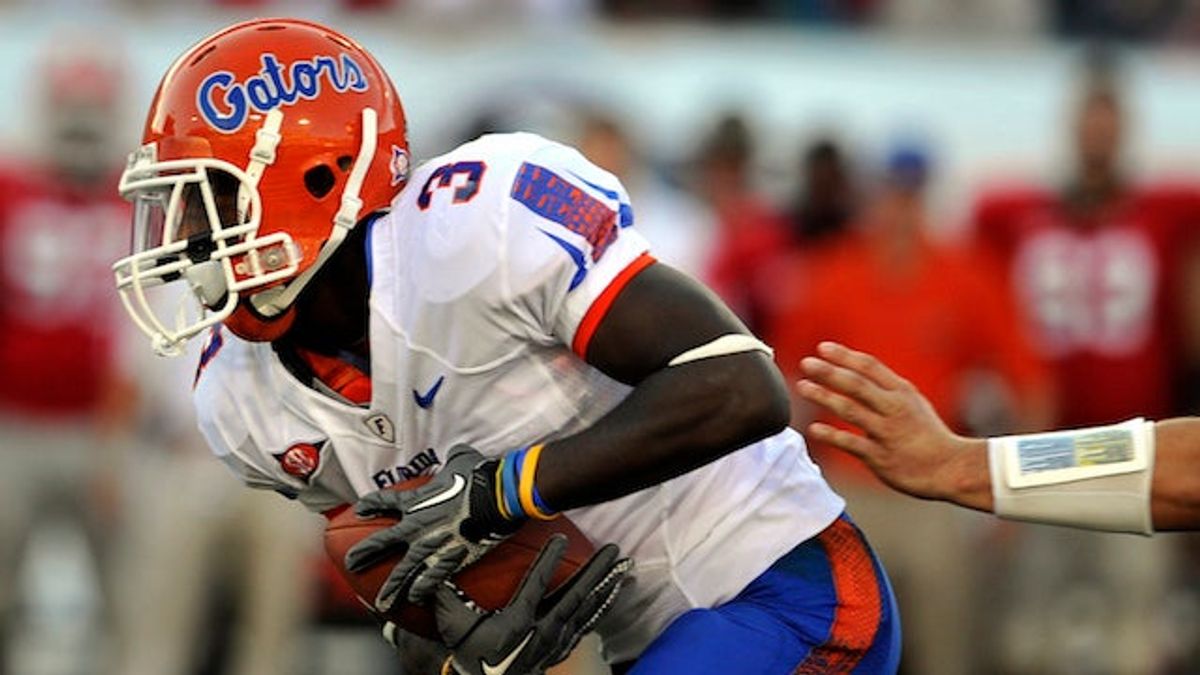
College athletes at major schools across the country often avoid charges in criminal cases. They have access to high-profile lawyers; the athletic departments play major roles in the investigations; and witnesses are intimidated, indirectly or otherwise, according to an investigative report by ESPN’s Outside the Lines.
After an examination of over 2,000 documents culled from police reports at 10 different schools from 2009-2014, Outside the Lines found male basketball and football players frequently avoided criminal charges or prosecution when named as suspects in police reports, results “exceeding that of non-athlete males in the same age range.” Florida and Florida State were the biggest offenders in this category. Other schools, such as Michigan State, saw almost no discrepancy.
The report details numerous ways in which athletes at major programs avoid charges, noting preferential treatment from police happens, but is not necessarily the driving force behind the lack of prosecutions.
For example, at Oklahoma State, men’s basketball coach Travis Ford testified he “conducted his own investigation” after a player was accused of rape and sexual battery to explain why he never contacted police when he received a letter of the allegations from one of the alleged victims.
At Florida State, assistant athletic director Monk Bonasorte is known as a “fixer,” and his name appears in multiple players’s police reports. He’s often tasked with arranging legal representation for players. The report also found nine examples of FSU athletic department officials or coaches trying to schedule police interviews at a time and place of the athlete’s convenience. Willie Meggs, the chief prosecuting attorney in Tallahassee, described that as a “classic example of poor police work.”
“You don’t do an interview of a suspect — football, non-football, athlete, non-athlete — in their own comfortable environment. That’s common sense,” Meggs said.
In Gainesville, the report found police will “refer certain incidents to coaches or school officials instead of pursuing criminal charges.”
The entire report is fascinating, if not earth-shattering. The athletes’s access to high-profile lawyers was certainly eyebrow raising—Tallahasee attorney Tim Jansen, who represented Jameis Winston two years ago, charges some clients up to $500 an hour, but he’s always a quick call away from Bonasorte when a player faces criminal trouble. Jansen says the athletes’s families pay for his services, but the entire arrangement reeks of shadiness.
Go over to ESPN and read the whole report, which has more about the methodology of the investigation, as well as individual reports about each of the 10 schools examined and many more examples of how these athlete criminal cases are blatantly mishandled.
Photo via Associated Press
Related




Britney’s HCL Saga Shows How Murky High Stakes Poker Is
5 Fights the UFC Should Make After Rosas Jr. vs. Barcelos

- MLB Playoff Futures: Three Best Bets for the 2026 Postseason
- Eagles vs. Bears MNF Week 3 Betting Total Picks and Predictions
- Rams vs. Broncos Sunday Night Football Best Betting Pick
- MLB Best Bets: Three Picks for the Final Day of the Regular Season
- UFC Vegas 121 Underdogs: Why Alatengheili Is Worth a Look at +300
- UFC Vegas 121 Predictions: Best Bets for Saturday’s Fight Card
- UFC Vegas 121 Line Movement: Two Betting Favorites Have Completely Flipped